
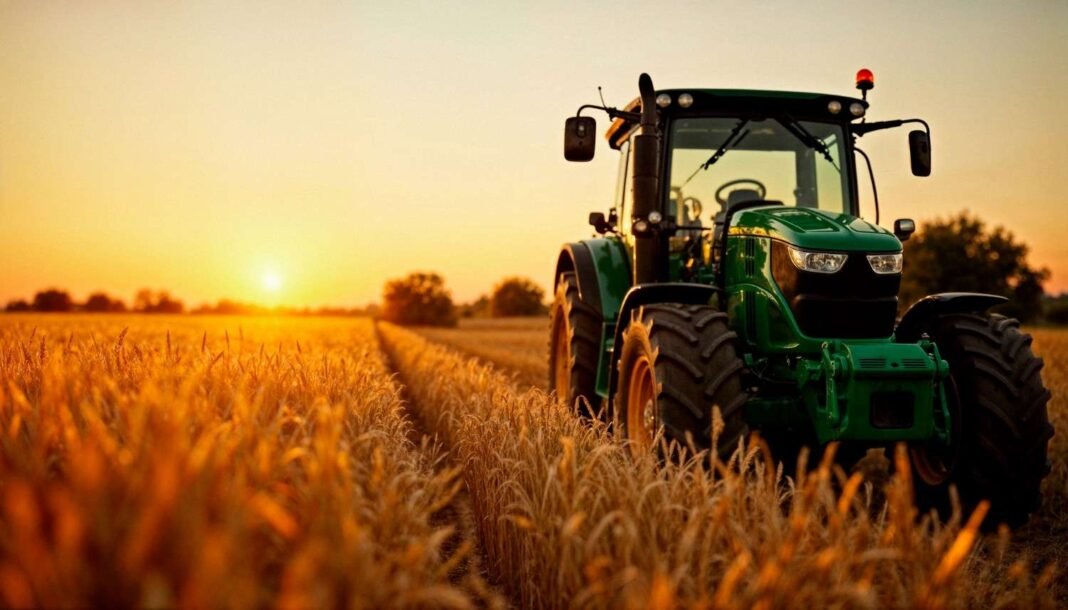

Agriculture is evolving rapidly as farmers seek innovative ways to improve productivity, reduce labor dependency, and maximize crop yields. Farm mechanization has emerged as one of the most effective solutions for addressing these challenges. By integrating advanced agricultural equipment into daily farming operations, farmers can achieve greater efficiency, better resource utilization, and sustainable growth.
Today, agricultural equipment manufacturers are developing specialized machinery that supports every stage of cultivation—from soil preparation and weed control to harvesting and post-harvest management. Companies like ASPEE have played a significant role in promoting mechanized farming solutions that help farmers improve operational efficiency and profitability. Founded in 1946, ASPEE has established itself as a leading manufacturer of agricultural equipment with a broad portfolio of sprayers, dusters, harvesters, power weeders, and other farm mechanized products.
Why Farm Mechanization Is Important
The increasing demand for food production, coupled with labor shortages and rising operational costs, has made mechanization a necessity rather than a choice. Modern agricultural machinery helps farmers:
- Complete field operations faster
- Reduce dependence on manual labor
- Improve crop quality and consistency
- Lower production costs
- Increase operational efficiency
- Enhance long-term farm profitability
Mechanized farming also enables timely agricultural practices, which are critical for maximizing crop yields and maintaining soil health.
Key Farm Mechanized Products Used in Agriculture
Modern farms utilize a variety of mechanized equipment designed for specific agricultural operations. Some of the most widely used categories include power weeders, crop harvesters, brush cutters, chain saws, tea pluckers, and rotary tillers. These products are part of the growing range of farm mechanized solutions offered by ASPEE.
1. Power Weeders
Weed management is one of the most labor-intensive tasks in farming. Power weeders help farmers remove unwanted vegetation efficiently while simultaneously preparing the soil for cultivation.
Benefits include:
- Faster weed removal
- Reduced labor requirements
- Improved soil aeration
- Better moisture retention
- Enhanced crop growth
Modern power weeders are available in both diesel and petrol variants, making them suitable for different farm sizes and operational requirements.
2. Crop Harvesters
Harvesting is a critical stage in the agricultural cycle. Delays can lead to crop losses and reduced market value. Mechanized harvesters help farmers complete harvesting operations quickly while minimizing crop damage.
Advantages include:
- Reduced harvesting time
- Lower labor costs
- Improved harvesting efficiency
- Better crop quality
- Reduced post-harvest losses
Crop harvesters are particularly valuable for plantations, horticulture operations, and large-scale agricultural farms.
3. Brush Cutters
Brush cutters are versatile tools used for clearing weeds, grass, shrubs, and unwanted vegetation around farms, orchards, and plantations.
Key benefits:
- Improved land maintenance
- Efficient vegetation control
- Increased worker productivity
- Multi-purpose functionality
These machines are widely used across agricultural and landscaping applications.
4. Tea Pluckers
Tea cultivation requires precision and consistency during harvesting. Mechanized tea pluckers help improve productivity while maintaining crop quality.
Benefits include:
- Uniform harvesting
- Faster collection rates
- Reduced labor dependency
- Improved operational efficiency
Tea-growing regions increasingly rely on mechanized solutions to meet production targets and manage labor challenges.
Technology and the Future of Farming
Agricultural mechanization is no longer limited to basic machinery. Today’s equipment incorporates ergonomic designs, fuel-efficient engines, and advanced engineering that improve productivity while reducing operator fatigue.
Farmers are increasingly adopting machinery that offers:
- Higher operational efficiency
- Improved durability
- Reduced maintenance requirements
- Enhanced safety features
- Better fuel economy
The continued adoption of modern farm equipment is expected to play a major role in addressing global food security challenges while supporting sustainable agricultural practices.
Choosing the Right Farm Equipment
Selecting the right machinery depends on several factors:
Farm Size
Large farms may require heavy-duty mechanized equipment, while smaller farms can benefit from compact and versatile machines.
Crop Type
Different crops require specialized tools for cultivation, maintenance, and harvesting.
Budget and Return on Investment
Farmers should evaluate both initial purchase costs and long-term productivity benefits.
Service and Spare Parts Availability
Reliable after-sales support and spare parts availability are essential for minimizing downtime and ensuring continuous operation.
Conclusion
Farm mechanization is transforming agriculture by helping farmers improve productivity, reduce operational costs, and achieve sustainable growth. From power weeders and crop harvesters to brush cutters and tea pluckers, modern agricultural equipment enables farmers to work smarter and more efficiently.
As the agricultural sector continues to evolve, investing in reliable mechanized solutions will remain a key strategy for improving farm performance and profitability. Organizations such as ASPEE continue to contribute to this transformation by offering innovative agricultural equipment designed to meet the changing needs of modern farming.

